“Should I buy gold now?” is one of the most common questions investors ask, and one of the hardest to answer honestly. Nobody can reliably predict short-term gold prices, and anyone who claims to know what gold will do next month is guessing. What you can do is understand why gold earns a place in many portfolios, what the different ways of owning it cost, and how to build a position without needing to time the market.
This article is general information, not financial advice. Your circumstances, goals and tax position are your own, so speak to a licensed financial adviser before making investment decisions.
Why Investors Hold Gold
Gold is unusual among assets. It pays no interest or dividends, yet investors and central banks have held it for generations. The reasons usually come down to three ideas.
- Diversification: gold’s price has historically often moved differently from shares and bonds, so a small holding can help balance a portfolio.
- Inflation and currency hedge: gold is priced globally and cannot be printed, so many investors hold it as a long-term store of value against the erosion of paper currencies.
- No counterparty risk: physical gold that you own outright is not a promise from a bank, company or government. Its value does not depend on anyone else meeting an obligation.
What gold does not do
Gold produces no income, its price can fall as well as rise, and it can go through long periods of weak performance. A hedge is not a guarantee. Gold priced in US dollars can also move differently for investors whose home currency is sterling, euros or another currency, because exchange rates add a second layer of movement. Understanding these limits is part of investing in gold responsibly.
Physical Gold vs ETFs vs Mining Stocks
There are three common ways to get exposure to gold, and they behave quite differently.
Physical gold
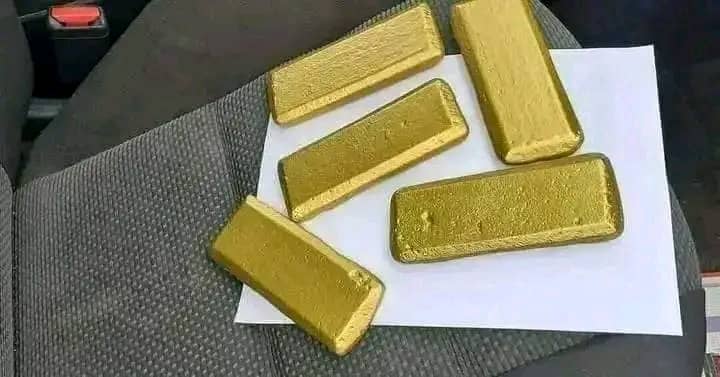
Owning gold bullion bars or raw gold gives you a tangible asset with no counterparty risk. The trade-offs are upfront premiums, the need for secure storage and insurance, and a resale process that takes more effort than selling a share.
Gold ETFs
Exchange-traded funds that track the gold price are easy to buy and sell through a brokerage account and have low dealing costs. However, you own units in a fund rather than the metal itself, you pay an annual management fee, and you depend on the fund’s structure and custodians.
Gold mining stocks
Shares in mining companies are linked to the gold price but also to each company’s costs, management, debt and operating risks. They can rise or fall far more than gold itself, so they are closer to an equity investment than a direct gold holding.
The Real Costs of Owning Physical Gold
Before comparing returns, compare costs. Physical gold carries several that are easy to overlook.
- Premiums: refined bars usually sell above spot; smaller units tend to carry higher premiums per gram than larger ones.
- Spreads: the gap between the price at which a dealer sells and the price at which it buys back. The spread is a cost you pay when you eventually sell.
- Storage: vault fees or the cost of a suitable safe.
- Insurance: cover for theft and loss, whether at home or in a vault.
- Shipping and verification: insured transport, and assay costs if the gold has to be tested before resale.
Why documentation protects value
Gold with a clear assay certificate and chain-of-custody record is easier to sell at a fair price. YNM Gold Sellers includes an independent third-party assay certificate with every purchase for exactly this reason. Read how to verify gold purity to understand what those documents should show.
Is It the Right Time to Buy Gold?
Because short-term moves are unpredictable, many long-term investors stop asking whether now is the perfect moment and focus instead on a process they can stick to.
Dollar-cost averaging
Dollar-cost averaging means investing a fixed amount at regular intervals, regardless of the price. You buy more when prices are lower and less when they are higher, and you avoid putting everything in at a single point that might later look badly timed. The trade-off is that each purchase may carry its own premiums and transaction costs, which matters more for physical gold than for ETFs.
Allocation, not prediction
Instead of guessing the price, decide what share of your portfolio gold should represent. A range of roughly 5–10% is commonly cited in financial commentary as a typical allocation, but it is a rule of thumb, not a recommendation, and the right figure for you depends on your goals, other assets and risk tolerance.
Questions to Ask Yourself Before Buying
These questions help you decide whether, and how, investing in gold fits your plans.
- Why do I want gold: diversification, a long-term store of value, or a short-term trade?
- How long do I expect to hold it, and do I understand that its price can fall?
- Do I want the metal itself, or is price exposure through an ETF enough?
- Where will I store it, and how much will storage and insurance cost each year?
- How and to whom will I sell it, and what spread should I expect?
Common Mistakes When Investing in Gold
Gold is simple to understand but easy to buy badly. Avoiding a handful of common mistakes matters more than any view on where the price is heading.
- Buying on headlines: rushing in after dramatic news or sharp price moves often means paying high premiums at an emotional moment.
- Over-concentrating: putting too much of your wealth into any single asset, gold included, increases risk rather than reducing it.
- Ignoring the spread: if you may need to sell soon, the gap between buying and selling prices can outweigh any gain.
- Choosing form by price alone: raw gold may look cheaper per gram, but it is harder to value and resell than refined bars, which is why most private investors start with bullion.
- Skipping verification: an attractive price from an unverified seller is a risk, not an opportunity.
Buying Physical Gold for Investment
If physical bullion suits you, focus on purity, documentation and a verifiable seller. Investment-grade bars are typically 99.99% fine. YNM supplies 99.99% gold bars in 1 oz and 100 g sizes, sourced from Uganda and Tanzania, with chain-of-custody documentation.
Our investors page explains how we work with investment buyers, and our step-by-step guide to buying physical gold safely covers verification, payment and shipping. You can check the indicative spot price on our gold price page at any time.
Frequently Asked Questions
Should I buy gold now?+
No one can reliably predict short-term gold prices. Many long-term investors decide on a target allocation and build it gradually, for example through regular purchases, rather than trying to time the market. This is general information, not financial advice.
Is physical gold better than a gold ETF?+
Neither is better in every case. Physical gold has no counterparty risk but carries premiums, storage and insurance costs. ETFs are cheaper and easier to trade but you own fund units rather than the metal.
How much of my portfolio should be in gold?+
A range of roughly 5–10% is often cited in financial commentary, but it is a rule of thumb rather than advice. The right share depends on your goals, other investments and risk tolerance, so consult a licensed adviser.
What are the hidden costs of owning physical gold?+
Beyond the purchase premium, expect dealer spreads when you sell, storage fees, insurance, insured shipping and, in some cases, assay costs before resale.
More Gold Buyer Guides
- How to Buy Physical Gold in the USA: A Practical Guide to Bullion · Buyer Guide
- Buying Gold Bullion in the UK: VAT, Tax and What to Check · Buyer Guide
- Investing in Gold in Canada: Should You Buy Gold? · Market Analysis
This article is general information, not financial, tax or legal advice.