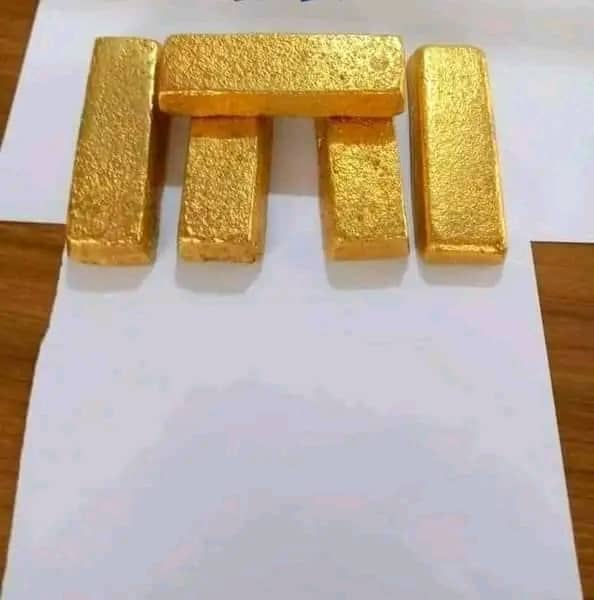
Investing in gold in Canada has a distinctly Canadian flavour. Canada is a significant gold-producing country, its stock market lists many gold mining companies, and the Royal Canadian Mint produces the Gold Maple Leaf, one of the best-known bullion coins in the world. Canadians therefore have several ways to own gold, and the question “should I buy gold?” usually becomes “which kind, and how much?”
This article explains the main options and the Canadian tax and cost considerations, without predicting what the gold price will do. It is general information, not financial or tax advice. Speak to a licensed adviser about your own situation. If you are already considering physical gold from Africa, see our page on buying gold in Canada.
Why Canadians Hold Gold
The reasons Canadians invest in gold are the same as elsewhere, with one local twist.
- Diversification: gold has historically often moved differently from shares and bonds, so a modest holding can help balance a portfolio.
- A store of value: gold is priced globally and cannot be printed, so many investors hold it as a long-term hedge against the erosion of paper currencies.
- No counterparty risk: physical gold you own outright does not depend on any institution meeting an obligation.
- Currency exposure: gold is priced internationally in US dollars, so for a Canadian investor its value in CAD also moves with the exchange rate. That can help or hurt, and it is worth understanding before you buy.
What gold does not do
Gold pays no interest or dividends, its price can fall as well as rise, and it can underperform for long periods. A hedge is not a guarantee. Gold is best thought of as one part of a diversified portfolio rather than a replacement for it, and its role is usually to steady a portfolio over the long term rather than to produce the highest returns.
Bullion, ETFs or Mining Shares?
Canadian investors have easy access to all three main forms of gold exposure, and they behave quite differently.
Physical bullion
Bars and coins give you direct ownership with no counterparty risk. The costs are premiums over spot, storage, insurance and the dealer’s spread when you sell. Royal Canadian Mint products are the domestic reference point and are widely recognised by Canadian dealers.
Gold ETFs
Exchange-traded funds that track the gold price trade on Canadian and US exchanges and can be bought through a brokerage account. They are cheap to trade and easy to hold, but you own fund units rather than metal and pay an annual management fee.
Gold mining shares
Canada’s market lists many gold producers and explorers. Their share prices are linked to gold but also to costs, management, debt and project risk, so they can move much more than gold itself. They are an equity investment with gold exposure, not a substitute for gold.
GST/HST on Investment Gold
Canada’s Excise Tax Act gives special treatment to precious metals: gold of at least 99.5% purity in the form of a bar, ingot, coin or wafer. Supplies of such gold are relieved of GST/HST, which makes investment-grade bullion effectively tax-free at purchase.
This matters when you compare forms of gold. A piece of jewellery and a bar may contain similar amounts of gold, but the jewellery carries sales tax, making charges and a retail margin, while the bar carries only a dealer premium. For investment purposes, high-purity bars and coins are usually the more cost-efficient way to own gold.
Gold that does not meet the definition is treated differently. Jewellery is taxable, natural nuggets are usually below 99.5% purity, and gold dust is not in bar, ingot, coin or wafer form. Confirm the treatment of any specific purchase with a Canadian tax adviser or the Canada Revenue Agency’s current guidance.
Tax When You Sell
When you sell gold for more than you paid, the gain is generally taxable. Whether it is treated as a capital gain or as business income depends on your circumstances, such as how often you trade and why you bought. Gold ETFs and mining shares held in registered accounts may be treated differently from gold held personally.
Some registered plans can hold certain bullion products under specific conditions, but rules are detailed and plan administrators set their own policies. Ask your adviser or plan administrator before assuming a product qualifies. Whatever applies, keep your invoices and assay certificates; they record your cost and help with resale.
Counting the Costs in Canadian Dollars
Because gold is priced in US dollars, a Canadian buyer effectively pays the spot price converted to CAD, plus the dealer’s premium. You can follow the indicative spot price on our gold price page and convert it to compare quotes.
- Premium: the amount above spot that a dealer charges. Smaller units usually cost more per gram than larger ones.
- Spread: the difference between the dealer’s selling and buy-back prices.
- Exchange-rate costs: banks and dealers may build a margin into the USD–CAD conversion.
- Storage and insurance: vault fees, or the cost of a safe and suitable home insurance cover.
- Testing: bars from smaller producers may be re-tested by a dealer before buy-back.
A hypothetical illustration
Suppose, purely as an example, that spot gold converts to CAD 110 per gram and a dealer charges a 4% premium on a 100 g bar. The bar would cost about CAD 11,440. If the buy-back price were 1% below spot, an immediate sale would return about CAD 10,890. These numbers are hypothetical and show only how premiums and spreads add up.
Should You Buy Gold Now?
No one can reliably predict short-term gold prices, so a process often works better than a forecast. Two common approaches help.
- Allocation: decide what share of your portfolio gold should represent. A range of roughly 5–10% is commonly cited in financial commentary, but it is a rule of thumb, not a recommendation.
- Dollar-cost averaging: invest a fixed amount at regular intervals so you are not relying on a single entry point. With physical gold, weigh this against the premium and transaction costs of each purchase.
Avoid the common mistakes
Do not buy on headlines, do not concentrate too much of your wealth in any single asset, and never skip verification of the seller. Our general guide to investing in physical gold goes into these points in more depth.
Buying Physical Gold as a Canadian Investor
Dealers in precious metals in Canada are reporting entities supervised by FINTRAC, so expect identity checks and record-keeping on larger purchases. If you import gold, it must be declared to the Canada Border Services Agency, usually through a customs broker.
YNM Gold Sellers supplies 99.99% gold bars in 1 oz and 100 g from Nairobi, each with an independent third-party assay certificate and chain-of-custody documentation, under insured delivery. Our bars are not Royal Canadian Mint products, so keep the certificate with the bar for resale. Whoever you buy from, verify them first and confirm import requirements with a Canadian customs broker.
Frequently Asked Questions
Should I buy gold in Canada now?+
No one can reliably predict short-term gold prices. Many long-term investors set a target allocation and build it gradually rather than trying to time the market. This is general information, not financial advice.
Is gold taxed when you buy it in Canada?+
Gold of at least 99.5% purity in bar, ingot, coin or wafer form is relieved of GST/HST. Jewellery and other gold are treated differently, so confirm the treatment with a Canadian tax adviser.
Do I pay tax when I sell gold in Canada?+
Gains are generally taxable, either as capital gains or as business income depending on your circumstances. Keep your purchase records and ask a tax adviser how the rules apply to you.
Is physical gold better than a gold ETF for Canadians?+
Neither is better in every case. Physical gold has no counterparty risk but costs more to buy, store and insure. ETFs are cheaper and easier to trade but you own fund units, not metal.
More Gold Buyer Guides
This article is general information, not financial, tax or legal advice.