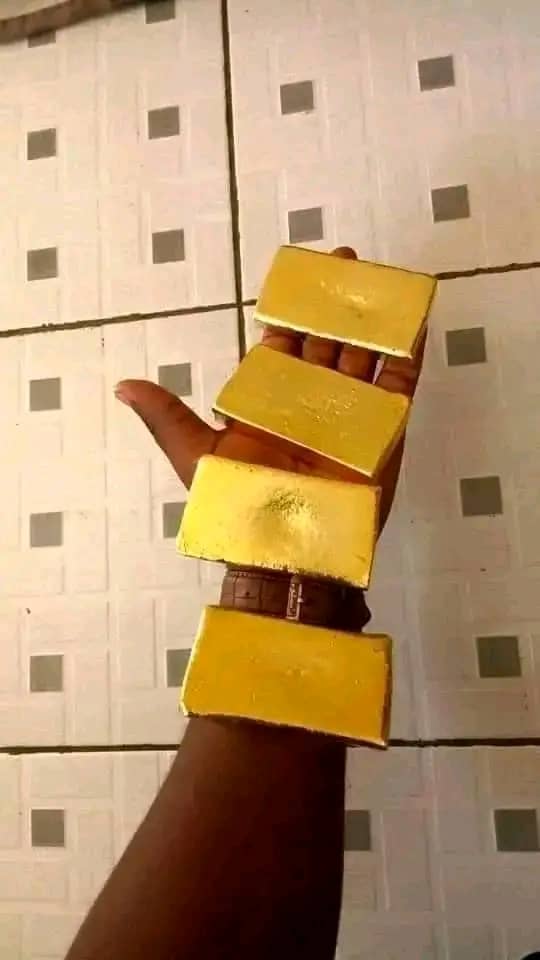
Buying gold in France means working within two layers of rules: the EU’s common framework for investment gold and France’s own tax regime for precious metals. For a buyer in France, getting those rules right can matter as much as the price itself. Gold also has deep roots in French saving habits. Many households have kept gold coins for generations, and the 20-franc Napoléon remains a familiar store of value.
This guide explains what counts as investment gold, how VAT and the taxes on sale work in broad terms, how to choose between bars and coins, and what to check before you buy. It is general information, not tax or financial advice; French tax rules change, so confirm your position with a French tax adviser. If you are an investor, jeweller or refiner looking at African gold, see our page on buying gold in France.
What Counts as Investment Gold in France
The EU VAT Directive contains a special scheme for investment gold, which France applies. Two categories qualify.
- Gold bars or wafers of at least 995 thousandths purity, in weights accepted by the bullion markets.
- Certain gold coins that meet the criteria for purity, age and legal tender status set out in the Directive, which the EU lists each year.
Why the definition matters
Investment gold is exempt from VAT. Other gold, including jewellery, nuggets and dust, is generally subject to VAT at the standard French rate, although special rules such as the reverse charge can apply to some supplies between businesses. The same gram of gold can therefore cost very different amounts depending on its form, so check the classification of anything other than high-purity bars or recognised coins before you buy.
Bars or Coins?
French buyers traditionally favour coins, but bars have their place. The choice affects premiums, resale and convenience.
- Bars usually carry a lower premium per gram, particularly in larger sizes, which makes them efficient for larger sums.
- Well-known coins are easy to resell in small amounts and are widely recognised by French dealers.
- Smaller units, whether coins or small bars, give you flexibility to sell part of a holding without selling everything.
- Whatever you choose, keep the invoice and any certificate with the item; documentation matters for both resale and tax.
The role of the Napoléon
The 20-franc Napoléon contains a little under 6 g of gold and is one of the most traded coins in France. Because it is so familiar, it is easy to buy and sell through French dealers in small amounts, which explains its enduring popularity with households. Like any coin, its price includes a premium over its gold content that can rise and fall with demand, so compare the premium as well as the headline price.
Bars suit buyers investing larger sums who want the lowest cost per gram, provided they are comfortable that resale may involve a check of the bar by the dealer.
How Gold Is Priced for French Buyers
The international spot price is quoted in US dollars per troy ounce (31.1035 g). A French dealer converts it to euros and adds a premium for the product. When you sell, the dealer pays less than its selling price; the difference is the spread. You can follow the indicative spot price on our gold price page and convert it to euros to see how much premium a quote includes.
A hypothetical example
Purely as an illustration, if spot gold were equivalent to EUR 70 per gram, the gold in a 100 g bar of 99.99% purity would be worth about EUR 7,000. A dealer premium of 3% would bring the price to about EUR 7,210. These figures are hypothetical and are not a quote or forecast.
Taxes When You Sell Gold in France
France has a specific tax regime for private individuals who sell precious metals. In broad terms, there is a flat-rate tax calculated on the sale price, with an alternative capital-gains regime available in some cases when the seller can document the purchase price and date. Which regime applies, and which is more favourable, depends on how long you have held the gold and the evidence you have.
Rates, conditions and thresholds change, so take advice from a French tax adviser before selling. If you inherited gold or bought it many years ago, ask specifically how the holding period and the available evidence affect your options. The practical lesson is simple: keep your purchase invoice, assay certificate and any other proof of what you bought and when. Without that documentation, your options may be more limited.
Checking a Seller and the Gold
The French market includes long-established dealers and banks, but scams exist here as everywhere. Before you pay, run a few checks.
- Confirm the company’s registration and physical address independently.
- Ask for the purity, weight and, for bars, serial number, and make sure the invoice states them.
- For bars, ask for an assay certificate from an independent laboratory and check that it matches the bar.
- Use traceable payment methods and be cautious of prices far below spot or requests for upfront fees.
Purity testing
France has a long-standing official hallmarking system for gold articles, with the eagle’s head mark used for 18K gold, but bullion bars rely on their markings and assay. Our guide to verifying gold purity explains the main methods and how to read a certificate.
Importing Gold into France
Most private investors buy from French dealers, but jewellers, refiners and some investors import directly. Gold entering France from outside the EU is declared to French customs under EU customs rules, and the importer needs an EORI number and usually works through a customs broker.
Since 1 January 2021, the EU Conflict Minerals Regulation has required EU importers of gold above annual volume thresholds to carry out supply-chain due diligence in line with the OECD Due Diligence Guidance. Even importers below the threshold are increasingly asked by banks and customers for the same evidence, so ask any foreign supplier for origin and chain-of-custody records.
Storing Your Gold
French buyers can store gold in a bank safe deposit box, a professional vault or at home. Each has trade-offs: a bank box is convenient but may have limited insurance, a vault adds cost but usually includes cover and records, and home storage is free but carries the most risk. Check what insurance covers in each case, as general home insurance policies may limit cover for precious metals. Professional vaults typically keep records that make resale and proof of ownership easier, which can also help when documenting a sale for tax purposes.
Sourcing Gold Directly from Africa
YNM Gold Sellers, based in Nairobi since 2009, supplies 99.99% gold bars in 1 oz and 100 g and 99.9% gold dust suited to jewellery workshops that alloy to 18K, along with natural nuggets. Each lot comes with an independent third-party assay certificate and chain-of-custody documentation, and ships under insurance. Confirm current customs and VAT requirements with a broker in France before each shipment.
Frequently Asked Questions
Is investment gold VAT-free in France?+
Yes. Under the EU investment-gold scheme, bars or wafers of at least 995 thousandths purity in accepted weights, and certain coins, are exempt from VAT. Jewellery, nuggets and dust are treated differently.
How is gold taxed when you sell it in France?+
Private individuals generally face a flat-rate tax on the sale price, with an alternative capital-gains regime in some cases where the purchase can be documented. Rates and conditions change, so consult a French tax adviser.
Should I buy gold bars or coins in France?+
Bars usually have lower premiums per gram, while well-known coins are easy to resell in small amounts. Many buyers hold a mix depending on how much they invest and how they expect to sell.
Why should I keep my gold purchase invoice?+
It proves what you bought, when and for how much. In France, documentation can affect which tax regime is available when you sell, and it also makes resale easier.
More Gold Buyer Guides
- How to Buy Physical Gold in the USA: A Practical Guide to Bullion · Buyer Guide
- Buying Gold Bullion in the UK: VAT, Tax and What to Check · Buyer Guide
- Investing in Gold in Canada: Should You Buy Gold? · Market Analysis
This article is general information, not financial, tax or legal advice.