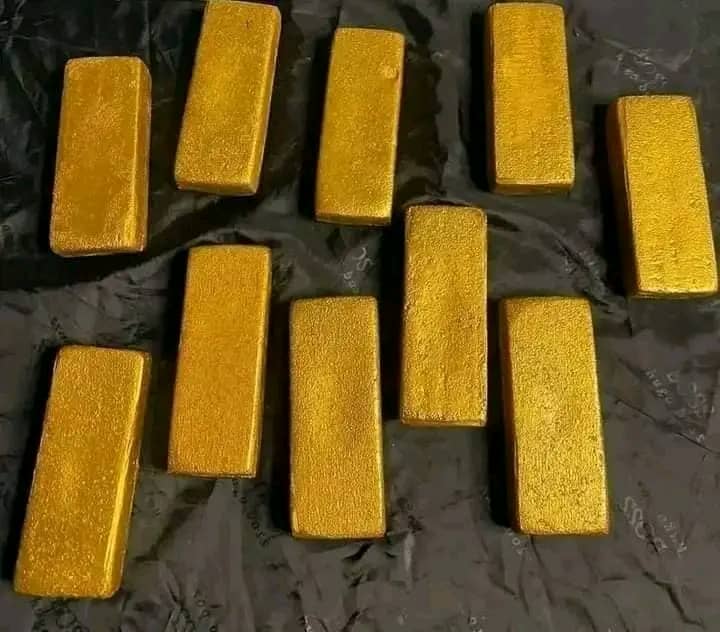
Buying gold bullion in the UK is shaped by two things that make the country unusual: London is the centre of the global wholesale gold market, and UK tax law treats investment gold very differently from other gold. Understanding both will help you pay a fair price and avoid unexpected tax bills.
This guide covers what counts as investment gold for VAT, how capital gains tax may apply, the practical difference between bars and coins, and how to check a seller. If you are a UK investor, refiner or jeweller considering African gold, our page on buying gold in the UK explains how we supply UK buyers. Nothing here is tax or financial advice; tax rules change, so confirm your position with a UK tax adviser.
London and the Gold Bullion Market
The London Bullion Market Association (LBMA) sets the Good Delivery standard that decides which refiners’ bars can trade between banks in London. Those wholesale bars weigh roughly 400 troy ounces each and are far too large for most private buyers. Retail investors instead buy smaller bars and coins from dealers, but the prices they pay are ultimately linked to the same wholesale market.
That link is useful. It means the spot price you see quoted in US dollars per troy ounce is the starting point for every retail quote in the UK, converted into sterling. You can follow the indicative spot price on our gold price page and use it to judge the premium a dealer is charging.
Investment Gold and VAT in the UK
The standard rate of VAT in the UK is 20%, but investment gold is exempt. Under HMRC’s definition, investment gold covers gold bars or wafers of at least 99.5% purity in weights accepted by the bullion markets, along with certain gold coins. For a private buyer, this exemption is one of the main reasons bullion is a more efficient way to hold gold than jewellery.
What is not investment gold
Jewellery, nuggets and gold dust do not meet the definition, and supplies of gold between UK businesses can fall under special VAT accounting rules. If you are buying anything other than high-purity bars or qualifying coins, check the VAT treatment with a UK tax adviser or HMRC’s current guidance before you commit, because a 20% charge changes the economics completely.
Capital Gains Tax: Bars vs Coins
VAT is only half the picture. When you sell gold at a profit, capital gains tax may apply. Gold coins that are UK legal tender, such as the Sovereign and the Britannia, are generally exempt from capital gains tax. Gold bars are not, so a gain on bars above your annual exempt amount may be taxable.
This is why many UK investors hold a mix, or choose coins for part of their holding even though coins often carry a higher premium per gram than bars. The right balance depends on how much you plan to invest, how long you will hold it and your wider tax position. Allowances and rates change, so take advice before deciding.
A hypothetical comparison
Purely as an illustration, suppose spot gold is equivalent to GBP 60 per gram. A 100 g bar of 99.99% gold contains gold worth about GBP 6,000 at that price, before any dealer premium. A selection of coins with the same gold content might cost more upfront because of higher minting premiums, but any gain on them could be free of capital gains tax. These figures are hypothetical and are not a quote or a forecast.
What to Look For in a Gold Bar
Bar quality affects how easily you can sell it later. When buying bullion bars in the UK, check the following.
- Purity of at least 99.5%, and ideally 99.99%, so the bar qualifies as investment gold.
- Clear markings showing the refiner, fineness, weight and, for larger bars, a serial number.
- An assay certificate that matches the bar’s serial number and weight.
- A recognised refiner where possible, because UK dealers resell well-known brands most easily; bars from smaller producers may be re-tested before purchase.
Verifying purity
Hallmarking under the Hallmarking Act 1973 applies to gold articles such as jewellery, not to bullion bars, so a bar’s quality rests on its markings and its assay. Our guide to verifying gold purity explains XRF, fire assay and density testing, and what an assay certificate should show.
Checking a Bullion Dealer
Under the UK money-laundering regulations, businesses that deal in high-value goods and accept large cash payments must register with HMRC and carry out customer due diligence. A reputable dealer will ask for identification on larger purchases. Treat a seller who does not ask questions with caution rather than relief. It is also worth checking reviews, how long the business has traded and whether it publishes clear buy-back terms, because a dealer that will not say how it buys gold back may make selling harder later.
- Confirm the company is registered and has a verifiable physical address.
- Compare the premium over spot and the buy-back price, not just the selling price.
- Ask how and when the gold will be delivered, and who holds the risk until it arrives.
- Avoid offers far below spot or requests for upfront fees before you receive anything.
Storing Gold Bullion in the UK
The UK has a well-developed vaulting industry, partly because of London’s role in the wholesale market. Private investors can use professional vaults, which usually include insurance and keep records that simplify resale, or store gold at home, in which case they should check that their home insurance covers bullion and up to what value.
Some dealers also offer allocated storage, where specific bars are held in your name and recorded separately, and unallocated storage, where you have a claim on a quantity of metal held in a pool. Allocated storage usually costs more but keeps the gold legally yours; unallocated storage is cheaper but makes you a creditor of the provider. Ask which type you are being offered and read the terms carefully.
Whichever option you choose, keep your invoice and assay certificate with your records. They document the purchase for capital gains purposes and make resale easier.
Importing Bullion and Raw Gold into the UK
Most private investors buy from UK dealers, but refiners, jewellers and some investors import directly. Gold imported into the UK must be declared to HMRC, normally through a customs broker or freight forwarder. Since Brexit the UK has been a separate customs territory from the EU, so EU rules no longer apply to UK imports.
Raw gold reaches the London market through refiners. Refiners that supply London follow the LBMA Responsible Gold Guidance and will only accept raw material with documented origin. YNM Gold Sellers supplies 99.99% gold bars in 1 oz and 100 g as well as raw gold, with an independent assay certificate and chain-of-custody documents for each lot. Confirm current import and VAT requirements with a UK customs broker before each shipment.
Frequently Asked Questions
Is gold bullion VAT-free in the UK?+
Investment gold, meaning bars or wafers of at least 99.5% purity in accepted weights plus certain coins, is exempt from UK VAT. Jewellery, nuggets and dust are treated differently, so confirm with a UK tax adviser.
Do I pay capital gains tax on gold in the UK?+
Gains on gold bars may be subject to capital gains tax above your annual exempt amount. UK legal tender coins such as Sovereigns and Britannias are generally exempt. Rules change, so take tax advice.
Are bars or coins better for UK investors?+
Bars usually have lower premiums per gram, while UK legal tender coins are generally exempt from capital gains tax. Many investors hold a mix depending on how much they invest and their tax position.
What is an LBMA Good Delivery bar?+
A large wholesale bar of roughly 400 troy ounces made by a refiner on the LBMA’s accredited list and traded between banks in London. Private investors usually buy much smaller bars.
More Gold Buyer Guides
- How to Buy Physical Gold in the USA: A Practical Guide to Bullion · Buyer Guide
- Investing in Gold in Canada: Should You Buy Gold? · Market Analysis
- Buying Gold in France: Investment Gold, VAT and Tax Explained · Buyer Guide
This article is general information, not financial, tax or legal advice.