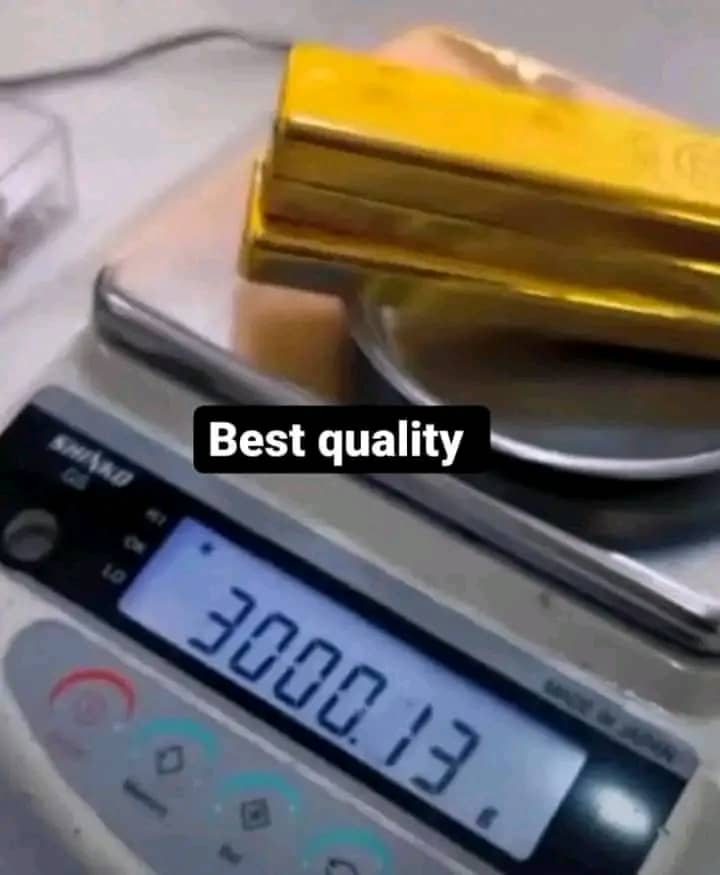
Buying physical gold is straightforward when you deal with a legitimate, well-documented supplier, and very risky when you do not. Africa produces a significant share of the world’s gold, and buyers from Europe, North America, the Gulf and Asia source from the continent for good reasons. Unfortunately, the same trade also attracts fraudsters who rely on buyers skipping basic checks.
This guide sets out the steps that experienced buyers follow, in the order they follow them. It applies whether you are buying gold bullion bars as an investor, raw gold for a refinery, or material for jewellery manufacturing.
Step 1: Decide Which Form of Gold You Need
Physical gold comes in three main forms, and the right one depends on what you will do with it.
- Gold bars: refined, high-purity bullion that is the easiest to value, store and resell. Best suited to investors and anyone who wants a liquid asset.
- Gold nuggets: natural, unrefined pieces with variable purity. Suited to collectors and to buyers who will refine or use the metal.
- Gold dust: fine alluvial gold that is typically bought by refiners and jewellery manufacturers for processing.
Match the form to your exit plan
Think about how you will eventually sell or use the gold. Refined bars are widely accepted by dealers and vaults, while raw gold usually needs refining before most buyers will pay close to spot. Our comparison of gold bars vs nuggets vs dust explains the trade-offs in detail.
Step 2: Verify the Seller Before Anything Else
Seller verification is the single most important step when buying gold. A reputable supplier will expect these questions and answer them without hesitation.
- Licences: ask for the company’s registration and its mining or dealing licences, then confirm them independently with the issuing authority rather than relying on a scanned copy.
- Physical address: a real office you can visit or have an agent visit. Be wary of sellers who only communicate through messaging apps.
- Assay certificates: each lot should come with a certificate from an independent laboratory, not only a test performed by the seller.
- Chain of custody: documents that trace the gold from the mine or source through to export.
- Export paperwork: legitimate exports carry official documentation from the country of origin.
What a credible supplier provides
As an example, YNM Gold Sellers is based in Nairobi, Kenya, and supplies an independent third-party assay certificate and chain-of-custody documentation with every purchase. Details of our credentials are on the compliance page. Whoever you buy from, ask for the equivalent documents and verify them yourself.
Step 3: Understand Pricing Against Spot
All physical gold is priced relative to the international spot price, which refers to one troy ounce (31.1035 g) of pure gold. Refined bars usually sell at a premium over spot to cover refining, fabrication and distribution. Raw gold usually sells at a discount, because it still has to be refined and its purity carries some uncertainty.
Before you negotiate, calculate the value of the gold content yourself with our gold price calculator, and read how raw gold is valued if you are buying nuggets or dust. Ask every seller to state which spot reference their quote uses and exactly what is included.
Step 4: Recognise the Red Flags
Most gold fraud follows a few familiar patterns. Walk away, or at least pause and investigate, if you see any of the following.
- Discounts that are too good to be true: offers far below spot for large quantities are the most common lure.
- Requests for upfront fees: demands for payment of taxes, export permits, insurance, clearance or ‘release’ charges before you have received or inspected any gold.
- No verifiable licence: documents that cannot be confirmed with the issuing authority, or reluctance to let you check them.
- Pressure and secrecy: urgency to pay quickly, insistence on cash or untraceable transfers, or refusal to allow independent testing.
- Shifting stories: changes in quantity, purity, location or the people involved as the deal progresses.
- Unverified intermediaries: chains of brokers who cannot put you in direct contact with the actual seller.
Step 5: Agree Payment and Testing Terms
Good payment terms protect both sides. Use traceable payment methods such as bank transfers to a company account in the seller’s registered name, and make sure the contract states the weight, fineness, testing method, price formula and delivery terms.
Where possible, link payment to independent verification of the gold, for example an assay at an accredited laboratory or a refinery outturn. Our guide to verifying gold purity explains the main testing methods and what to look for on an assay certificate.
Step 6: Plan Shipping, Insurance and Customs
Gold should travel with specialist secure logistics and be insured for its full value from the point of dispatch. Confirm in writing who is responsible for the gold at each stage, who holds the insurance, and when ownership and risk pass to you.
Customs rules for precious metals differ by destination. Your importer, customs broker or logistics provider should confirm declaration requirements, duties and any taxes before the shipment leaves. Our country pages, such as the guide to buying gold in the USA, cover market-specific considerations for buyers in our main destination markets.
Common Mistakes First-Time Buyers Make
Even buyers who avoid outright fraud can lose money through avoidable mistakes. These are among the most common.
- Comparing headline prices without checking what is included. A quote that excludes shipping, insurance, export fees or assay costs can end up more expensive than a higher all-inclusive quote.
- Confusing troy ounces with ordinary ounces. Gold is always priced per troy ounce of 31.1035 grams, not the everyday ounce of about 28.35 grams.
- Ignoring purity on raw gold. A difference of one or two karats changes the value of a parcel by several percent.
- Skipping a small first order. Starting with a modest trial purchase lets you test a new supplier’s documentation, logistics and communication before you commit larger sums.
- Relying on photographs and videos. Images of gold prove nothing about who owns it, where it is or whether it is genuine.
Step 7: Decide How You Will Store It
Once the gold arrives, storage becomes your responsibility. Options include a professional vault, a bank safe deposit box, or a secure safe at home or at your business. Professional vaulting costs more but usually includes insurance and makes resale easier, because the gold stays in a recognised, documented environment.
Whichever option you choose, check what the insurance actually covers and whether it applies to gold specifically, as some general policies limit cover for precious metals. Keep every document, including invoices, assay certificates, export papers and shipping records, together and safe. They form the provenance record that future buyers or refiners will ask for.
Frequently Asked Questions
What is the safest way to buy physical gold?+
Buy from a seller whose licences, physical address and documents you have independently verified, use traceable payment methods, insist on an independent assay, and ship with specialist insured logistics.
Is it legal to buy gold from Africa?+
Buying gold that has been legally mined and exported with proper documentation is legal in most markets. Rules vary by country, so confirm the import requirements for your destination with a customs broker before you buy.
What are the warning signs of a gold scam?+
Common signs include prices far below spot, requests for upfront fees before you receive any gold, licences that cannot be verified, pressure to pay quickly and refusal to allow independent testing.
Should I buy gold bars or raw gold?+
Bars are easier to value, store and resell, so they suit most investors. Raw nuggets and dust usually cost less relative to spot but need refining and careful verification, so they suit refiners, jewellers and experienced buyers.
More Gold Buyer Guides
- How to Buy Physical Gold in the USA: A Practical Guide to Bullion · Buyer Guide
- Buying Gold Bullion in the UK: VAT, Tax and What to Check · Buyer Guide
- Investing in Gold in Canada: Should You Buy Gold? · Market Analysis
This article is general information, not financial, tax or legal advice.