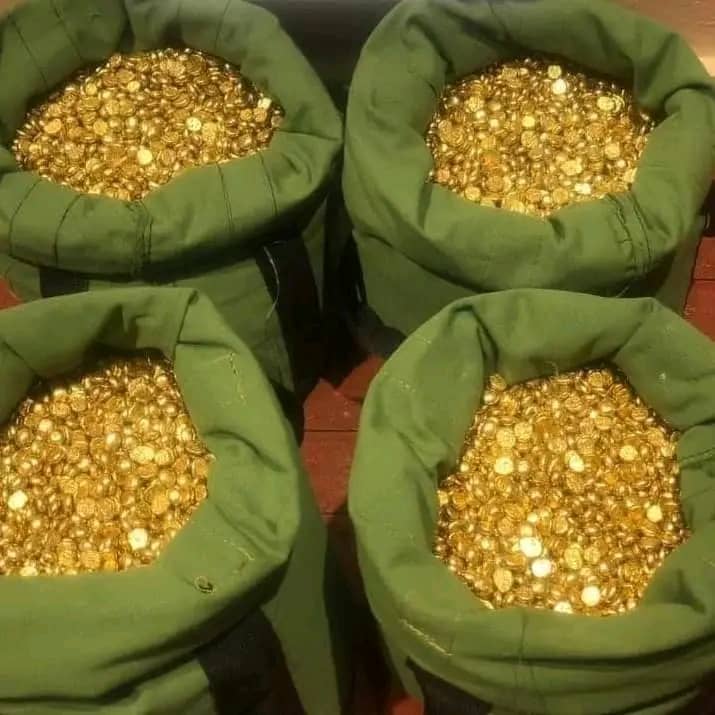
If you check the gold rate today in Qatar, you will usually see separate prices per gram for 24K, 22K, 21K and 18K gold in Qatari riyals. Those numbers are not set independently in Doha. They are derived from the international gold price using a simple chain of calculations, and once you understand it you can check any rate yourself and judge what a jeweller is charging on top.
This guide explains that chain step by step, with a clearly labelled hypothetical example. It does not give live rates; for the current international price, use our gold price page. If you are a Doha jeweller or buyer looking to source raw gold, see our page on buying gold in Qatar.
The Formula Behind the Daily Gold Rate
Every per-gram gold rate in Qatar can be broken down into four parts.
- The international spot price of gold, quoted in US dollars per troy ounce of pure gold.
- Conversion from troy ounces to grams: one troy ounce is 31.1035 g.
- Conversion from US dollars to Qatari riyals.
- Adjustment for purity, because 22K, 21K and 18K gold contain less gold than 24K.
Putting it together
Rate per gram in QAR = (spot price in USD per troy ounce ÷ 31.1035) × USD-to-QAR exchange rate × purity. For jewellery, a making charge is then added, and retailers build in their own margin. That is why the rate on a shop board may differ slightly from your own calculation.
Step 1: From Spot Price to Price per Gram
Gold is traded internationally in US dollars per troy ounce. The troy ounce is heavier than the everyday ounce, so always use 31.1035 g when converting. Dividing the spot price by 31.1035 gives the price of one gram of pure gold in US dollars.
The spot price moves continuously while global markets are open, so any per-gram rate is only accurate for the moment it was calculated. Shops in Doha typically update their boards during the day to reflect those movements. If you are comparing prices between shops, check them at roughly the same time, otherwise you may be comparing the market at two different moments rather than two different margins.
Step 2: Converting US Dollars to Qatari Riyals
The Qatari riyal is pegged to the US dollar at 3.64 riyals per dollar. Because of the peg, the exchange-rate step is stable, and changes in the QAR gold rate come almost entirely from changes in the international spot price. In markets with floating currencies, by contrast, the local gold price can move even when the dollar gold price does not.
Banks and dealers may apply a small margin to currency conversion, but the peg makes the riyal gold rate easier to check than in most markets.
Step 3: Adjusting for Purity by Karat
Karat measures gold content on a scale out of 24. To find the purity factor, divide the karat number by 24. The common Gulf standards are listed below.
- 24K: 99.9% or higher, used for bars and some coins.
- 22K: 91.67%, the traditional high-karat jewellery standard.
- 21K: 87.5%, very popular in the Gulf because it combines a rich colour with more durability.
- 18K: 75%, used mainly for gem-set and contemporary designs.
Why 21K and 22K dominate in Qatar
Gulf buyers traditionally prefer deep yellow, high-karat jewellery, which is often given at weddings and kept as family savings. 21K and 22K deliver that colour while remaining hard enough for everyday wear. Our article on how raw gold is valued includes a fuller karat-to-fineness table.
A Worked Example (Hypothetical Figures)
The figures below are hypothetical and are not today’s rate. They only show the method. Assume an international spot price of USD 2,500 per troy ounce.
- Pure gold per gram in USD: 2,500 ÷ 31.1035 = about USD 80.38
- Pure gold per gram in QAR: 80.38 × 3.64 = about QAR 292.57
- 24K (99.9%): about QAR 292.28 per gram
- 22K (91.67%): about QAR 268.19 per gram
- 21K (87.5%): about QAR 256.00 per gram
- 18K (75%): about QAR 219.43 per gram
Adding a making charge
Now imagine a 20 g 22K bracelet. The gold content at the hypothetical 22K rate is worth about QAR 5,364. If the jeweller’s making charge were a hypothetical QAR 15 per gram, the price before any other margin would be about QAR 5,664. Real making charges vary widely with design, workmanship and the shop.
Making Charges and How to Compare Jewellers
In Doha’s Gold Souq, jewellery is usually priced as the gold weight at the day’s rate plus a making charge for the craftsmanship. Making charges may be quoted per gram or per piece, and intricate or handmade designs cost more to make than machine-made chains.
When comparing two pieces, separate the two components. Ask for the weight, the karat and the rate per gram used, then ask for the making charge on its own. That makes it clear whether a price difference is about the gold or about the work. When you later sell jewellery, expect to be paid on gold content only; the making charge is generally not recovered.
No VAT, but other costs still apply
Qatar has not introduced VAT, which keeps the cost of buying gold simpler than in some neighbouring markets. Customs duties and import rules are separate from VAT and can still apply to gold imported by businesses, so confirm the current position with a Qatari customs broker before shipping.
Why Shop Rates Differ from Your Calculation
If you work through the formula yourself and compare it with a shop board in Doha, the numbers will rarely match exactly. That is normal, and the reasons are worth understanding.
- Timing: the shop may have updated its board at a different moment from when you checked the spot price.
- Retail margin: shops add their own margin to the per-gram rate, and it can vary between businesses.
- Buying and selling rates: the rate at which a shop sells gold is higher than the rate at which it buys gold back from customers.
- Rounding: rates are often rounded for display.
- Purity assumptions: some shops calculate 22K at 91.6% and others at 91.67%, which makes a small difference on larger pieces.
Checking the karat
The rate per gram only means something if the piece really is the karat stated. Hallmarked jewellery from an established shop should be reliable, but for gold bought outside formal retail, or for raw material, an independent test is worth the cost. Our guide to verifying gold purity explains XRF, fire assay and density tests.
How Jewellers Use the Rate When Buying Raw Gold
For a workshop, the daily rate is also the yardstick for buying raw material. Raw gold is priced on its assayed fine gold content, usually relative to the spot price, and the workshop then alloys it down to 21K or 22K. Knowing the exact purity of incoming metal is essential, because a piece that falls below its stated karat is a costly mistake.
YNM Gold Sellers supplies 99.9% gold dust that can be alloyed accurately to either standard, as well as natural 22–23K nuggets and 99.99% bars, each with an independent third-party assay certificate and chain-of-custody documentation.
Frequently Asked Questions
How is the gold rate in Qatar calculated?+
Take the international spot price in US dollars per troy ounce, divide by 31.1035 to get a per-gram price, multiply by 3.64 to convert to riyals, then multiply by the purity of the karat. Jewellery prices add a making charge and the retailer’s margin.
What is the difference between 22K and 21K gold?+
22K gold is 91.67% pure and 21K gold is 87.5% pure. 21K is slightly harder and is very popular in the Gulf, while 22K has a little more gold and a deeper colour.
Why does the gold rate change during the day?+
Because it follows the international spot price, which moves continuously while global markets are open. The riyal’s peg to the dollar means the exchange rate is stable, so almost all movement comes from the spot price.
Is there VAT on gold in Qatar?+
No. Qatar has not introduced VAT, although customs rules can still apply to imported gold.
Do I get the making charge back when I sell jewellery?+
Generally not. Buyers of used jewellery usually pay for the gold content at their buying rate, not for the craftsmanship.
More Gold Buyer Guides
- How to Buy Physical Gold in the USA: A Practical Guide to Bullion · Buyer Guide
- Buying Gold Bullion in the UK: VAT, Tax and What to Check · Buyer Guide
- Investing in Gold in Canada: Should You Buy Gold? · Market Analysis
This article is general information, not financial, tax or legal advice.