Buyer Guide
From XRF assay to fire assay — understanding how gold purity is tested and certified is essential for any serious gold buyer. Here's what you need to know.
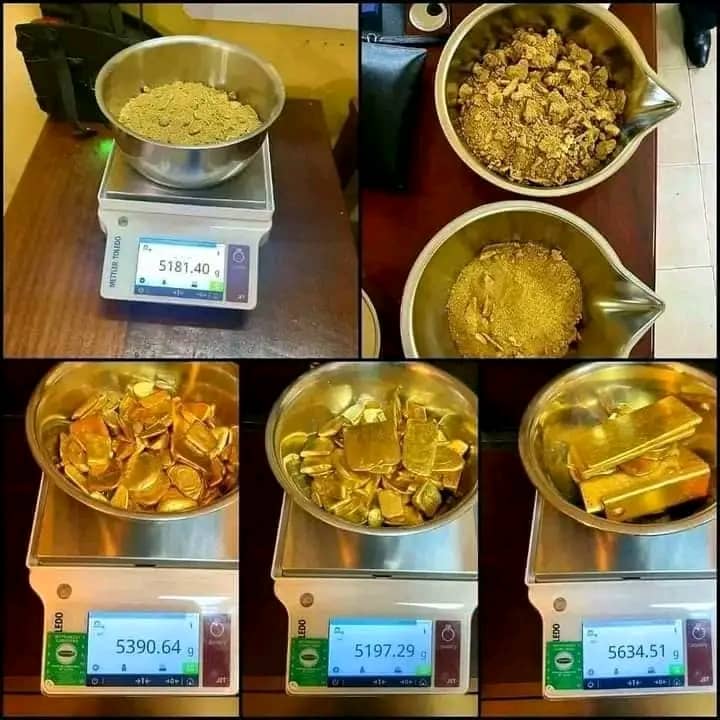
When you purchase physical gold — whether bars, nuggets, or dust — you are buying it based on two fundamental attributes: weight and purity. Weight is easily verified with a calibrated scale. Purity is more complex, and getting it wrong can be extremely costly.
Gold purity is expressed in two ways: karats (used primarily for jewellery, where 24K = 100% pure) and fineness (parts per thousand, where .9999 = 99.99% pure). Investment-grade gold is typically sold at .999 (99.9%) or .9999 (99.99%) fineness. African natural gold nuggets typically test at 22–23K (approximately 91–96% purity).
This guide explains the principal methods used to test and certify gold purity, so you know exactly what to ask for — and what to be wary of — when making a purchase.
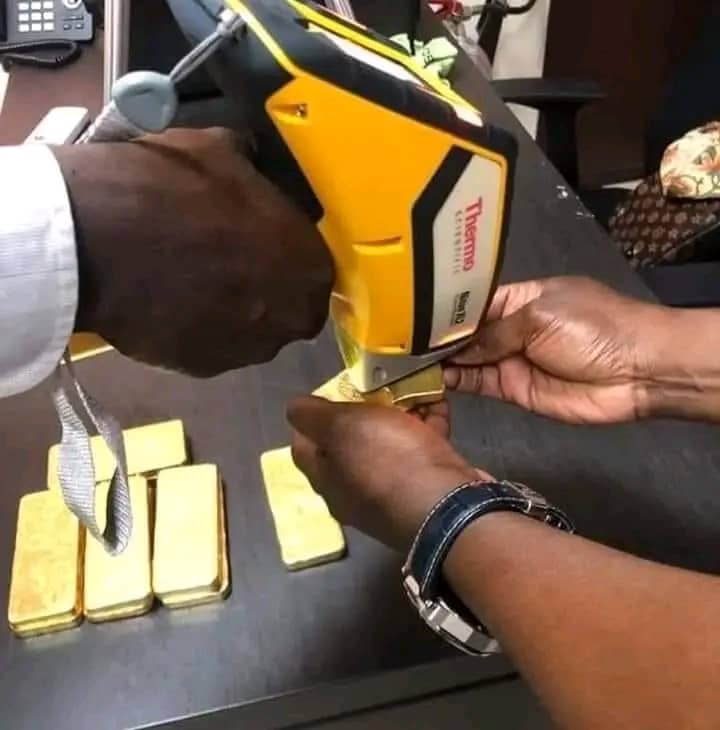
XRF is the most widely used method for non-destructive gold purity testing. A handheld or benchtop XRF analyser fires X-rays at the gold surface and measures the energy of fluorescence emitted by different elements — producing an elemental composition report in seconds.
Accuracy: Excellent for bars and coins (±0.05–0.1%). Less reliable for nuggets with surface oxidation or for dust, where sampling is required. XRF measures surface composition — if a piece has been coated or plated, the reading may be misleading.
What to look for: A reputable dealer should be willing to perform XRF testing in your presence, or provide a certified XRF report from an accredited laboratory.
Fire assay is the gold standard (literally) for precise purity determination. A small sample of the gold is dissolved in acid, separated from base metals via cupellation, and the resulting pure gold bead is weighed to determine fineness.
Accuracy: The most accurate method available — typically ±0.01% — and is required by most refineries and international commodity exchanges for settlement purposes.
Limitation: Destructive — a small portion of the sample is consumed. Not practical for individual coins or small nuggets.
Acid testing uses nitric acid (and sometimes aqua regia) applied to a scratched surface to observe the reaction and estimate purity. It is a quick, low-cost method suitable for field testing but provides only an approximate purity range rather than a precise figure.
Reliability: Adequate for a rough check, but not sufficient for high-value transactions. Should always be supplemented with XRF or fire assay for significant purchases.
Ultrasonic devices measure the speed of sound through a metal sample. Since different metals conduct sound at different velocities, the device can detect tungsten cores or other substitutions in bars that appear visually correct. This is specifically designed to detect the "tungsten bar" fraud, where bars are drilled and filled with tungsten (which has a density very close to gold).
An assay certificate is the formal documentation of a gold purity test. When purchasing investment-grade gold from a reputable dealer, you should always receive an assay certificate that includes:
"An assay certificate from an unaccredited or unknown laboratory is worth very little. Always verify the laboratory's accreditation — in Kenya, look for labs certified by the Kenya Accreditation Service (KENAS) or internationally recognised standards bodies."
When evaluating a gold purchase, be alert to the following warning signs:
Every product sold by YNM Gold Sellers comes with an independent assay certificate issued by an accredited Kenyan laboratory. Our gold bars are tested via both XRF and fire assay before dispatch. Gold nuggets and dust are XRF-tested at our Nairobi facility, with fire assay available on request for larger orders.
We also provide full chain-of-custody documentation from mine to export — so you know not just the purity of your gold, but exactly where it came from and how it was handled at every stage of the supply chain.
If you have questions about purity verification for a specific product, contact our team in Nairobi.
YNM Gold Sellers Editorial Team
Nairobi, Kenya · Est. 2009 · Licensed Gold Dealer
Ready to Invest?
Get a personalised quote with full pricing, purity certificates, and delivery options from our team in Nairobi.