YNM GoldSellers
Gold Bars vs Nuggets vs Dust: Which Should You Buy?
Buyer Guide

Gold Bars vs Nuggets vs Dust: Which Should You Buy?

Not all gold is the same. This guide breaks down the differences between gold bars, nuggets, and dust — and helps you choose the right format for your investment goals.

YNM Gold Sellers·30 November 2025·11 min read

Three Forms of Physical Gold — Three Different Use Cases

When most people think of buying gold, they picture a gleaming gold bar. But physical gold comes in several distinct forms — bars, nuggets, and dust — each with different purity profiles, price characteristics, liquidity, and ideal buyer profiles.

Understanding these differences before you buy will save you money, ensure you get the right product for your goals, and help you avoid the common mistake of paying a premium for a form of gold that does not suit your needs.

Gold Bars: The Investor's Standard

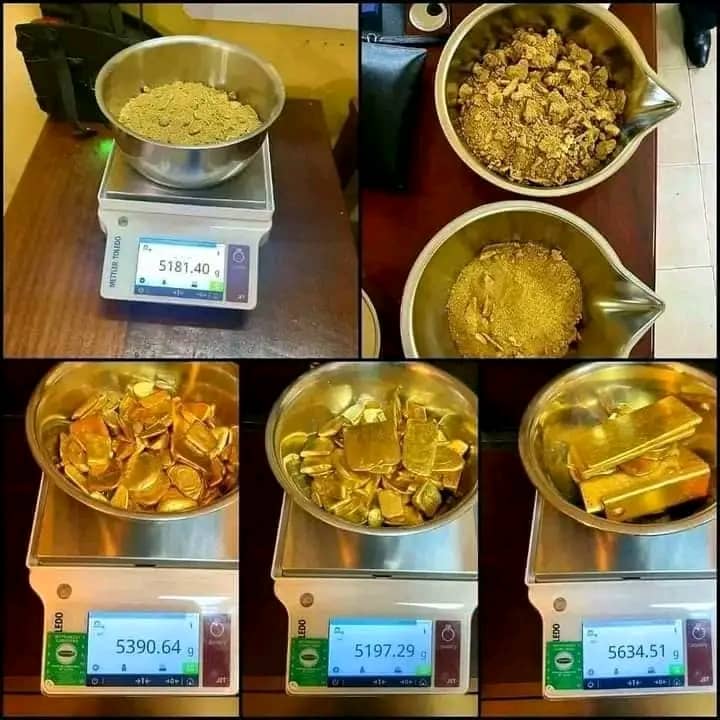
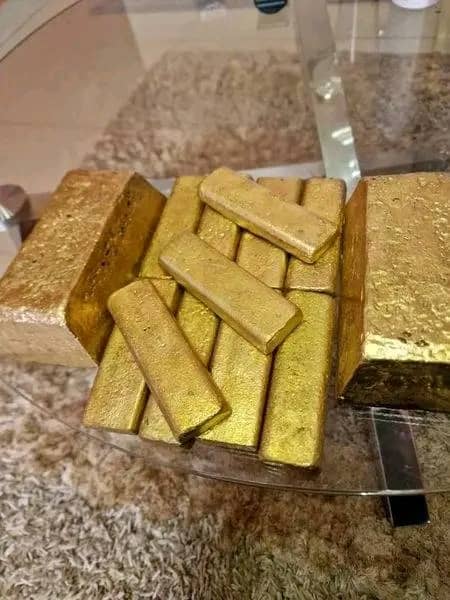
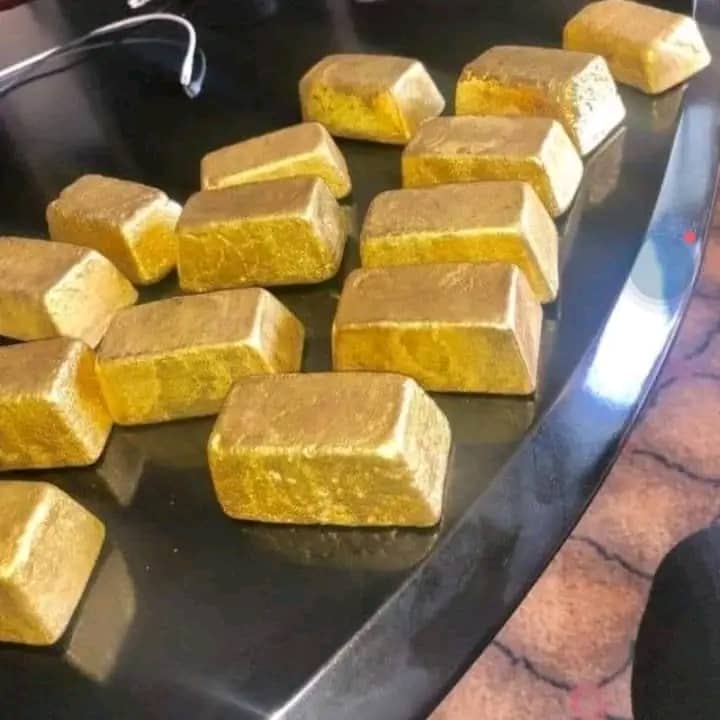
Gold bars are refined, stamped ingots produced to precise purity and weight specifications. Investment-grade gold bars are typically produced at .999 (99.9%) or .9999 (99.99%) fineness — the latter being the international standard for the London Bullion Market Association (LBMA) Good Delivery bars.

Advantages of Gold Bars

  • Highest purity available — 99.9% or 99.99% is as pure as gold gets at commercial scale
  • Lowest premium over spot — per gram, bars typically carry the smallest markup above the gold price, especially for larger sizes
  • Easiest to resell — standardised weight and purity means refineries and dealers worldwide will buy them with minimal friction
  • Gold IRA eligible — most qualified investment accounts accept certified gold bars meeting LBMA standards
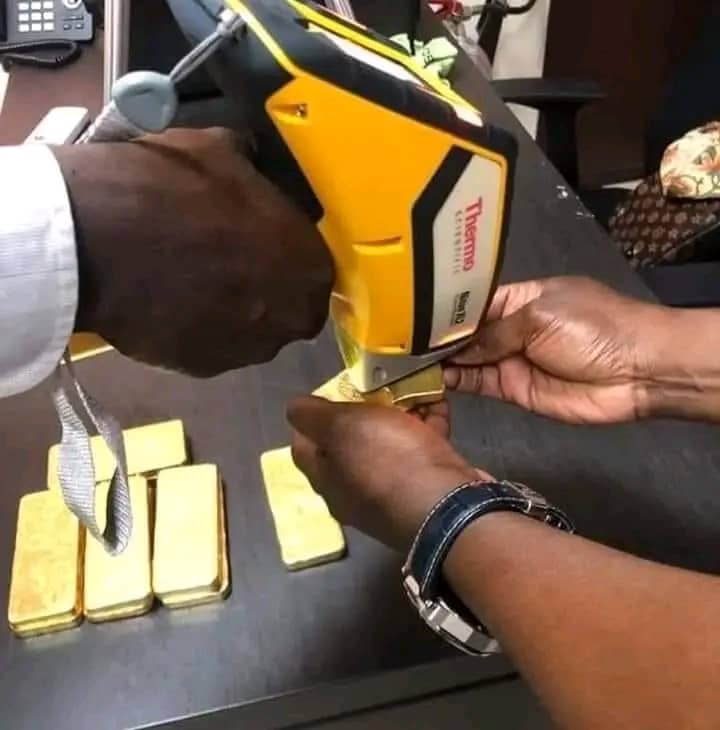
  • Simple due diligence — serial numbers, assay certificates, and tamper-evident packaging make verification straightforward

Disadvantages of Gold Bars

  • Higher entry cost per unit — a 100g bar costs significantly more in absolute terms than 10g of dust
  • Less interesting for collectors — a bar is a bar; there is no uniqueness or aesthetic dimension

Best for: Investors seeking maximum value density, wealth preservation, portfolio diversification, or gold IRA holdings. Institutions and high-net-worth individuals typically favour bars.

Gold Nuggets: The Collector's Choice

Natural gold nuggets are pieces of raw gold formed by geological processes over millions of years — each one genuinely unique in shape, size, and character. African gold nuggets, sourced primarily from the DRC, Uganda, and Tanzania, typically test at 22–23 karats (approximately 91–96% purity).

Advantages of Gold Nuggets

  • Unique and collectible — no two nuggets are alike; exceptional pieces command premiums above their gold content value
  • Direct connection to the earth — many buyers value the natural formation, provenance story, and authenticity of a raw nugget
  • Ideal for jewellery — jewellers and artisans prize natural nuggets for bespoke pieces
  • Diversification within gold holdings — different purity profile and different market dynamics from refined gold
  • Accessible entry point — individual nuggets in the 20–30g range are available at a lower absolute cost than a refined bar

Disadvantages of Gold Nuggets

  • Lower purity than bars — 22–23K vs 24K means you are paying for some non-gold material
  • Higher premium over spot — the collectibility premium means you typically pay more per gram of actual gold content
  • Less liquid at scale — selling large quantities of nuggets is more complex than selling standardised bars
"A gold nugget is not just an investment — it is an artefact. Its value is part gold content, part rarity, and part story. Buyers who appreciate that dimension often find nuggets more satisfying to hold than bars."

Best for: Collectors, jewellers, alternative investors, or anyone seeking a tangible, one-of-a-kind connection to African gold's natural origins.

Gold Dust: The Flexible Option

Gold dust is fine particulate gold — essentially the same material as a gold bar, but in powder form rather than a cast ingot. African gold dust is typically produced at 99.9% purity and is the preferred feedstock for refineries and jewellery manufacturers.

Advantages of Gold Dust

  • Maximum flexibility — can be sold in any quantity, from grams to kilograms
  • Accessible entry point — minimum orders as low as 10g make it the most accessible form for small buyers
  • Refinery-ready — no further processing required; dust goes directly into the refinery melt
  • High purity — 99.9% puts it on par with bars for investment purposes

Disadvantages of Gold Dust

  • Requires careful handling and verification — dust is harder to spot-check visually than a bar; sealed, certified packaging is essential
  • Higher premium than large bars — per gram, dust typically carries a slightly higher margin than a 100g bar, though less than nuggets
  • Less suitable for resale to retail buyers — most retail gold buyers prefer bars; dust is primarily a B2B product

Best for: Refineries, jewellery manufacturers, flexible investors wanting to buy incrementally, or buyers seeking the lowest absolute entry cost.

Summary: Which Should You Buy?

The right choice depends almost entirely on your purpose:

  • For investment and wealth preservation — choose gold bars
  • For collecting, jewellery, or a unique tangible asset — choose gold nuggets
  • For refining, manufacturing, or flexible small-quantity purchases — choose gold dust

At YNM Gold Sellers, we offer all three forms with full documentation, independent assay certificates, and insured worldwide delivery. If you are unsure which format is right for your specific situation, speak with our team in Nairobi — we are happy to provide a no-obligation consultation.

Y

YNM Gold Sellers Editorial Team

Nairobi, Kenya · Est. 2009 · Licensed Gold Dealer
Related Articles

How to Verify Gold Purity: A Buyer's Complete Guide
Buyer Guide
10 February 2026·12 min read

How to Verify Gold Purity: A Buyer's Complete Guide

Read Article
Gold Price Outlook 2026: What African Sellers Need to Know
Market Analysis
15 March 2026·8 min read

Gold Price Outlook 2026: What African Sellers Need to Know

Read Article
Kenya Mining Act 2016: What It Means for Gold Buyers
Compliance
20 January 2026·9 min read

Kenya Mining Act 2016: What It Means for Gold Buyers

Read Article

Ready to Invest?

Buy Certified African Gold — Direct from Nairobi

Get a personalised quote with full pricing, purity certificates, and delivery options from our team in Nairobi.