Compliance
Kenya's artisanal and small-scale mining (ASGM) sector employs over a million people. We examine the regulatory landscape, challenges, and opportunities in 2025.
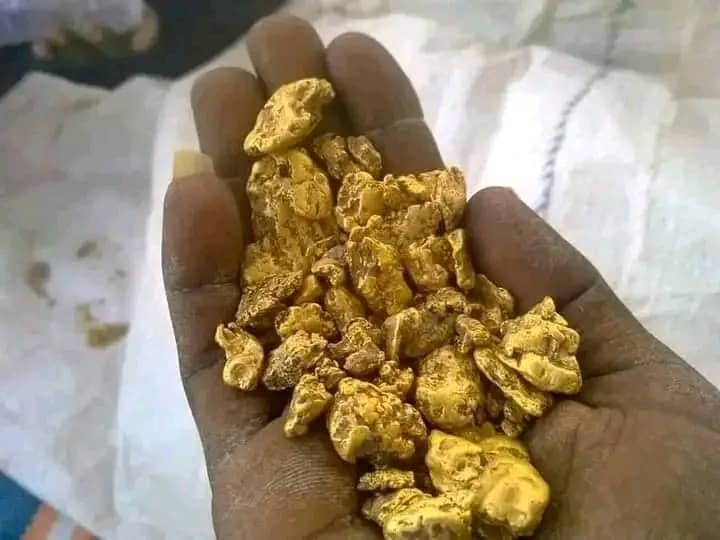
Artisanal and small-scale gold mining (ASGM) is a cornerstone of Kenya's rural economy. According to estimates from the State Department for Mining, over one million Kenyans depend directly or indirectly on the ASGM sector for their livelihoods — making it one of the most significant informal economic activities in the country.
Kenya's primary gold-producing counties include Migori, Kakamega, Siaya, Trans Nzoia, and West Pokot. Of these, Migori County — particularly the Macalder-Migori Gold Belt — remains the most productive, with a geology that has attracted both artisanal operators and junior mining companies in recent years.
The Kenya Mining Act 2016 provides the legislative framework governing all mining activity in the country, including ASGM. Under the Act, artisanal miners are required to obtain an Artisanal Mining Permit (AMP) and operate within designated Artisanal Mining Zones (AMZs).
In practice, however, formalisation has been slow. A 2024 report from the Kenya Natural Resource Alliance estimated that fewer than 15% of active artisanal miners in Migori County hold valid permits. This creates significant challenges for the sector — not least for gold buyers and traders who must navigate complex due diligence requirements when sourcing from these operations.
"Formalisation is not just a regulatory exercise — it is the foundation of a sustainable, ethical, and globally competitive gold supply chain from Kenya."
The State Department for Mining has accelerated formalisation efforts since 2023, partnering with the Artisanal Gold Council and several international NGOs to deliver training, equipment access, and licensing support to small-scale operators. Results are beginning to show, with permit applications rising approximately 40% year-on-year in 2024–2025.
Despite Kenya's 2017 ratification of the Minamata Convention on Mercury, mercury amalgamation remains the dominant gold recovery method among artisanal operators. Transitioning miners to mercury-free techniques — such as gravity concentration and direct smelting — requires sustained investment in training and equipment that many small-scale operators cannot independently afford.
Most artisanal miners sell informally to local brokers at below-market prices, often receiving 60–70% of the gold spot value for their production. Structured market access — connecting miners directly to licensed dealers and exporters — is essential to improving livelihoods and reducing the incentive for unregulated gold flows.
Overlapping claims between artisanal miners and large-scale licence holders continue to create conflict and uncertainty. The Cabinet Secretary for Mining committed in 2024 to a comprehensive review of the AMZ demarcation process, with outcomes expected in 2025.
For international buyers and investors, Kenya's ASGM sector — when accessed through properly licensed intermediaries — offers a compelling opportunity: direct access to traceable, ethically sourced gold at competitive prices, with full chain-of-custody documentation.
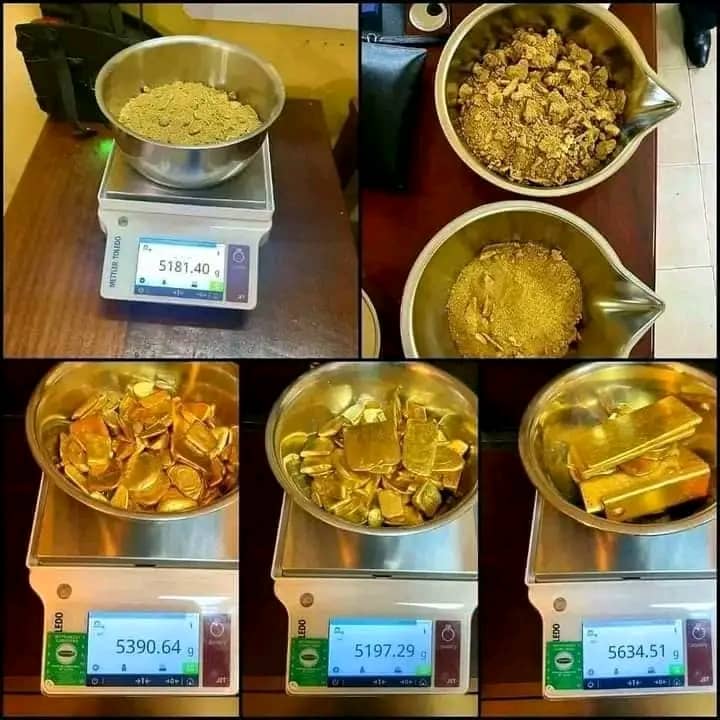
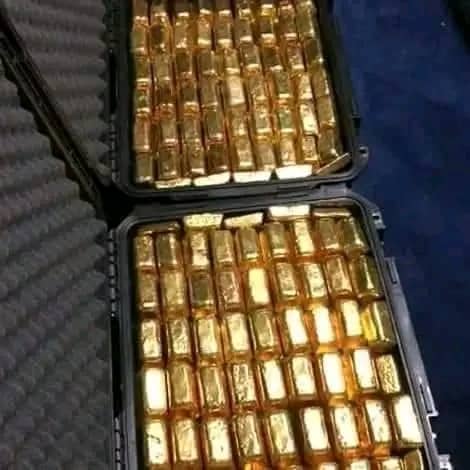
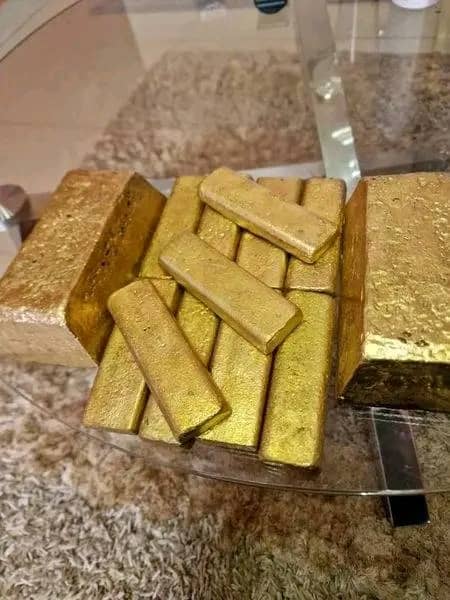
At YNM Gold Sellers, we have built direct sourcing relationships with verified artisanal mining operations in Migori and Kakamega since 2009. Every gram of gold we sell comes with full provenance documentation, an independent assay certificate, and compliance with the Kenya Mining Act 2016.
The trajectory for Kenya's ASGM sector is broadly positive. Accelerating formalisation, rising global gold prices, and increasing institutional interest in responsibly sourced African gold are creating conditions for genuine sector growth. The challenge — and the opportunity — lies in ensuring that this growth is structured, compliant, and genuinely beneficial to the communities at the base of the supply chain.
For buyers considering sourcing gold from Kenya, the key question is not whether to engage with artisanal production — it is how to do so with the rigour, documentation, and ethical standards that the global market increasingly demands.
YNM Gold Sellers Editorial Team
Nairobi, Kenya · Est. 2009 · Licensed Gold Dealer
Ready to Invest?
Get a personalised quote with full pricing, purity certificates, and delivery options from our team in Nairobi.